
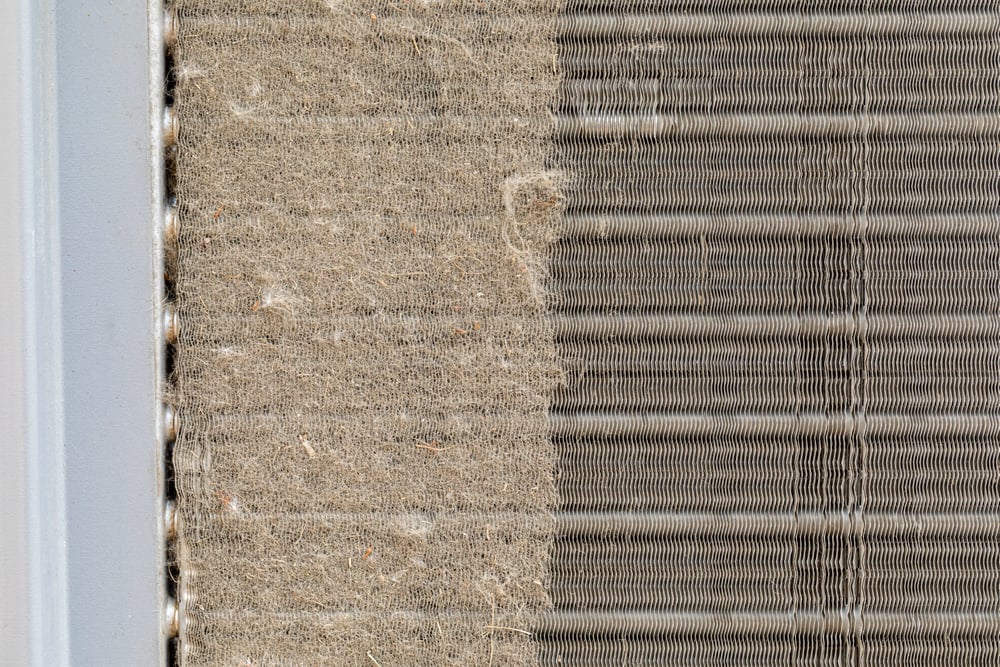
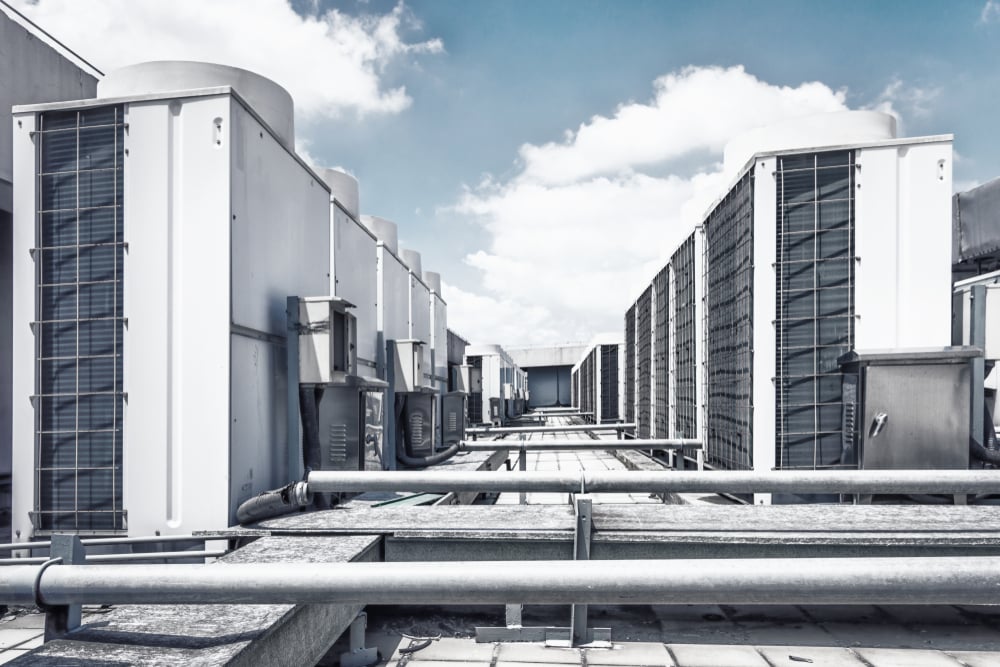
Energy Waste: A dirty condenser coil forces compressors to work harder. Energy consumption rises 10-25% before anyone notices.
Preventative Maintenance Programs
Structured Service Plans That Lower Operating Costs and Extend Equipment Life
Most commercial maintenance programs are checkbox exercises. A technician arrives, swaps a filter, glances at the equipment, and leaves a signed form. Nothing is measured. Nothing is trended. Problems are discovered only when the unit fails.
Service Line takes a different approach. Our preventative maintenance programs treat your HVAC equipment as capital assets that depreciate—or appreciate—based on how they're maintained. Every visit produces data: amp draws, operating pressures, temperature differentials. That data reveals problems weeks or months before they become emergency service calls.
Why "Good Enough" Maintenance Costs More Than You Think
Facility managers face constant pressure to reduce maintenance budgets. The logic seems simple: basic maintenance keeps equipment running, so why pay more? Here's what that logic misses:
The Hidden Costs of Checkbox Maintenance:
The Math That Changes Budget Conversations:
A properly maintained 15-ton RTU costs approximately $150-250/month in maintenance. A single compressor replacement costs $6,000-12,000—plus downtime, plus emergency service premium, plus cascade effects on operations. Which budget line item is actually the expense?
The Physics of Why Dirty Units Cost Money
Every commercial HVAC unit has a nameplate listing Full Load Amps (FLA). This represents how much current the compressor should draw under normal conditions. When amp draw exceeds specs, something is wrong—and it's costing you money every hour.
The Physics of Rising Amp Draw:
The 10/20 Rule: Industry research indicates that for every 10% reduction in condenser airflow or heat transfer efficiency, energy consumption can increase by approximately 20%. A coil that’s “not that dirty” might already be costing you 15-25% more in electricity than a clean coil.
Our Amp Draw Protocol:
The Measurable Result: After professional coil cleaning and system optimization, most commercial units show 8-15% reduction in amp draw. On a 15-ton unit running 2,500 hours annually, that’s $800-2,400 per year in reduced electricity costs—often exceeding the annual maintenance investment.
Why Your Unit "Works Fine When the Tech Arrives"
Every facility manager knows this frustration: the AC shuts down randomly. Employees complain. You call for service. The technician arrives, and the unit is running perfectly. "Couldn't find anything wrong." Two days later, it happens again.
These are "phantom failures"—real electrical problems causing intermittent shutdowns without obvious evidence.
The Cause: Vibration + Thermal Cycling
Commercial equipment vibrates constantly. Simultaneously, electrical connections heat up when current flows, cool down when stopped. Over time, this loosens connections. Terminals develop micro-gaps. Current flow becomes intermittent.
The Damage from Loose Connections
- Generate heat at connection points (fire risk)
- Burn contactor contacts causing “pitting”
- Can cause “single-phasing” (destroys motor windings)
- Create intermittent control signals confusing automation systems
Our Electrical Hygiene Protocol
- Torque Verification: All connections tightened to manufacturer specs using calibrated tools
- Contactor Inspection: Visual inspection for pitting, discoloration, wear
- Terminal Block Assessment: Check for heat damage discoloration
- Capacitor Testing: Verify capacitance within tolerance
- The Result: Phantom failures stop. No more midnight calls.
Warning: Contactor Pitting
If your technician reports "pitted contacts" on a contactor, the unit has been experiencing arcing from loose or degraded connections. Pitted contactors can cause single-phasing—running a three-phase motor on only two phases. This destroys motor windings within minutes. Don't ignore this finding.
Corrosion Control in the Coastal Industrial Zone
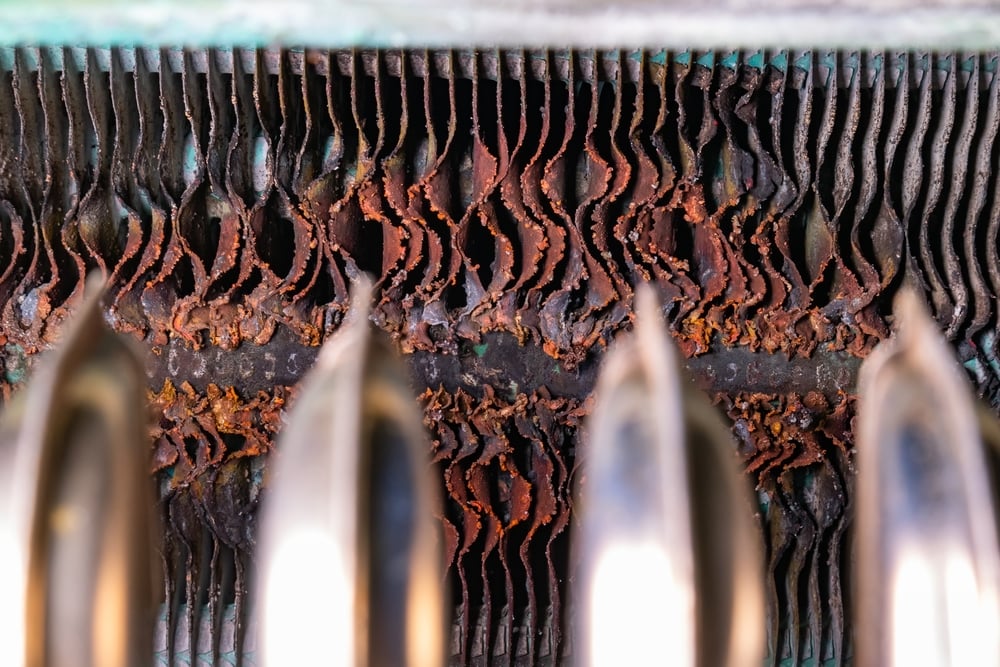
In most markets, coil cleaning is straightforward: remove dirt, restore airflow. In Baytown's industrial corridor, coil cleaning is chemical warfare.
What's Actually on Your Coils:
Our Coil Cleaning Protocol
The Pollen Problem:
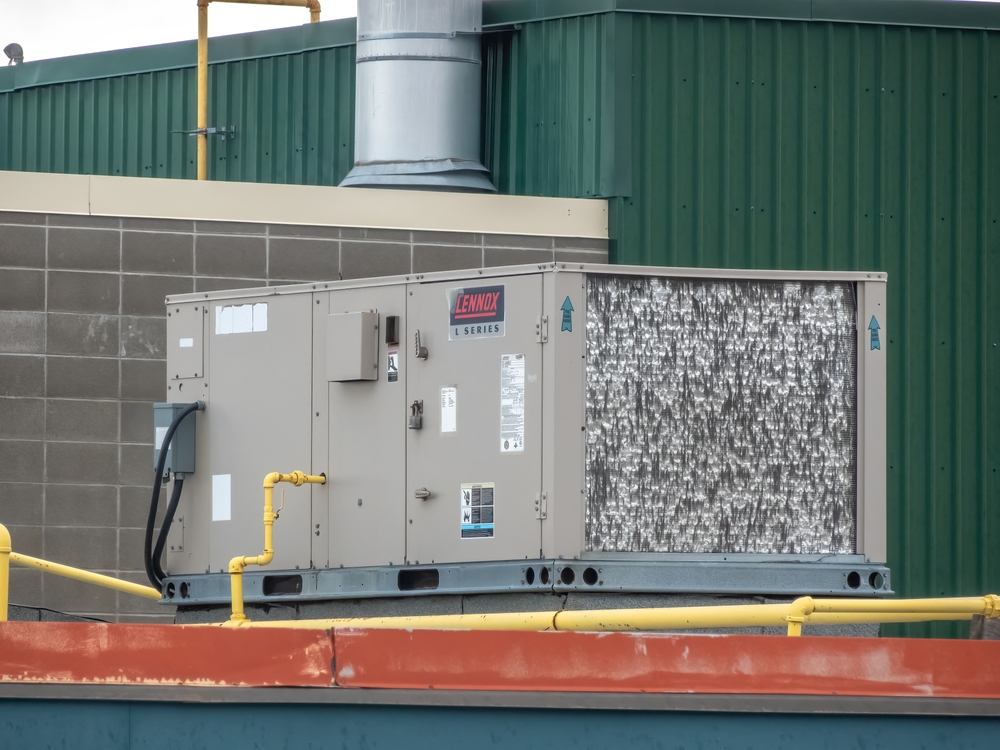
Every spring, Baytown-area facilities experience the same pattern: units that ran fine all winter suddenly struggle in April-May. The cause is almost always pollen accumulation creating an airflow barrier on condenser coils. A single cottonwood tree can produce enough "fluff" to coat every rooftop unit in a parking lot.
Log Sheets That Actually Mean Something
Most providers leave a signed form confirming someone showed up. That documentation is worthless for diagnosing problems, supporting warranty claims, or planning capital expenditures. We provide data, not checkboxes.
What We Document Every Visit:
Operating Parameters: Suction/discharge pressures, temperatures, superheat, subcooling, Delta-T
Electrical Measurements: Voltage (all phases), amp draw, capacitor readings, control voltage
System Condition: Coil cleanliness, filter status, belt condition, drain flow, visible corrosion
Why Documentation Matters:
- Warranty Support: Dated service records with operating parameters meet manufacturer requirements
- CapEx Planning: Data showing climbing amp draw and repair history justifies replacement budgets
- Troubleshooting Baseline: Historical data answers “what changed?” when failures occur
- Vendor Accountability: Documentation standards reveal contractor quality
The Trend That Predicts Failure:
A single amp draw reading tells you current status. Six months of readings tell you trajectory. When we see amp draw climbing 2-3% per quarter, we know that unit is developing a problem—even if it's running fine today. That's the difference between planned repair and emergency replacement.
Structured Maintenance for Predictable Costs and Extended Equipment Life
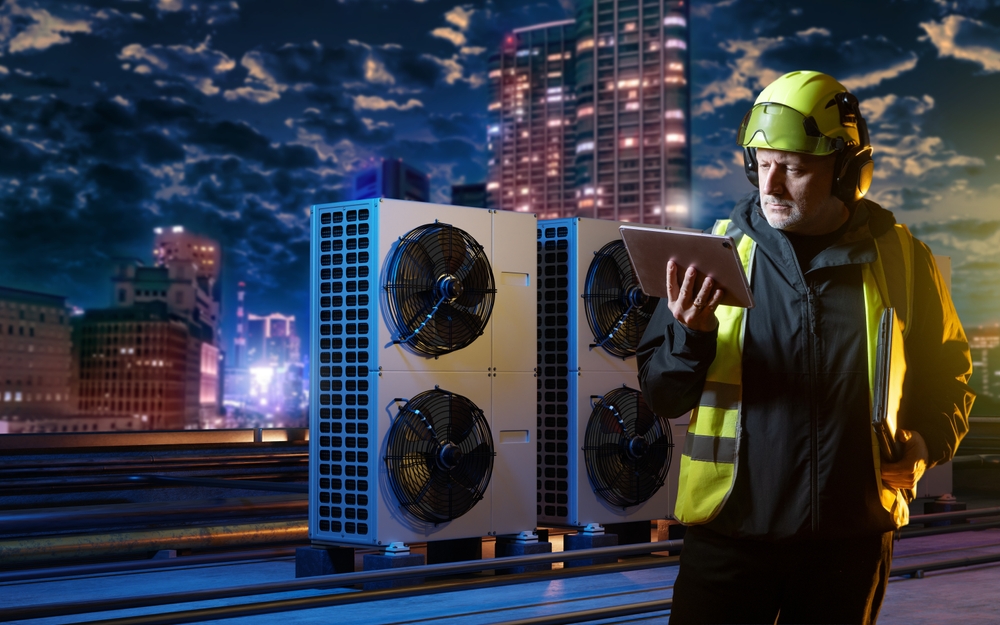
Our Asset Shield maintenance program is designed for facility managers who understand that equipment protection is an investment, not an expense.
Quarterly Comprehensive Service (4 visits/year) includes:
Asset Shield Commitment:
Clients on our Asset Shield program receive priority emergency response. When your equipment needs attention outside scheduled maintenance, you move to the front of the line. Because we know your equipment history, we arrive prepared—not guessing.
Matching Service Level to Facility Requirements
Not Sure Which Tier Fits?
We'll assess your facility, understand your operational requirements, and recommend the appropriate service level. Our goal is matching protection to actual need—not overselling maintenance you don't require.

Meet Your HVAC Engineer
Michael Jarrell — Owner & Lead Engineer
Michael is a 2nd generation HVAC professional who started working alongside his father at age 12 in Southwest Louisiana. After graduating from Sowela Technical Community College, he earned his Industrial Electrician Certificate—a credential most HVAC technicians don't pursue—which allows Service Line to diagnose complex commercial systems, server room cooling failures, and electrical issues that other contractors have to refer out.
Michael moved to Baytown in 2015 and founded Service Line Air & Heat in 2022 with one mission: bring construction-grade precision to residential and commercial HVAC. When you call Service Line, you're not getting a parts-swapper—you're getting an engineer who measures before he recommends.
Michael moved to Baytown in 2015 and founded Service Line Air & Heat in 2022 with one mission: bring construction-grade precision to residential and commercial HVAC. When you call Service Line, you're not getting a parts-swapper—you're getting an engineer who measures before he recommends.
Industrial Electrician CertificateA2L Refrigerant Certified EPA 608 Universal Texas State HVAC License
Read Michael's Full StoryFrequently Asked Questions About Commercial HVAC Maintenance
How often should commercial equipment be serviced?
Quarterly at minimum. In Baytown’s coastal industrial environment, quarterly service addresses accelerated corrosion and contamination.
What's the difference between your maintenance and a "20-point inspection"?
Standard inspections check boxes. We collect data—amp draw, pressures, temperatures—that we trend over time. This reveals problems before they cause failures.
How do you prevent phantom failures?
We systematically torque all electrical connections, test capacitors, and inspect contactors for pitting. Addressing these root causes eliminates intermittent shutdowns.
Why is Baytown coil cleaning different?
Baytown air carries salt and sulfur compounds that create corrosive deposits. We use pH-balanced cleaners for salt/sulfur removal, followed by corrosion-inhibiting treatment.
How does maintenance reduce energy costs?
Dirty coils force compressors to work harder. After cleaning and optimization, most units show 8-15% reduction in amp draw—directly translating to lower electricity bills.
What's included in the Asset Shield program?
Quarterly comprehensive maintenance, priority emergency response, trending analysis, parts discounts, and annual equipment reporting.
Let's Discuss Your Facility's Maintenance Needs
Whether you're frustrated with your current provider, dealing with unexplained issues, or want to understand what proper maintenance should include, we're happy to have that conversation. No pressure. No scare tactics. Just honest assessment and clear options.