
Does Not Settle: Cellulose (recycled paper) compresses over time, losing R-value. Fiberglass maintains loft for decades.
Attic Insulation & Efficiency
Stop cooling the neighborhood. Secure your thermal envelope to reduce heat load and utility bills.
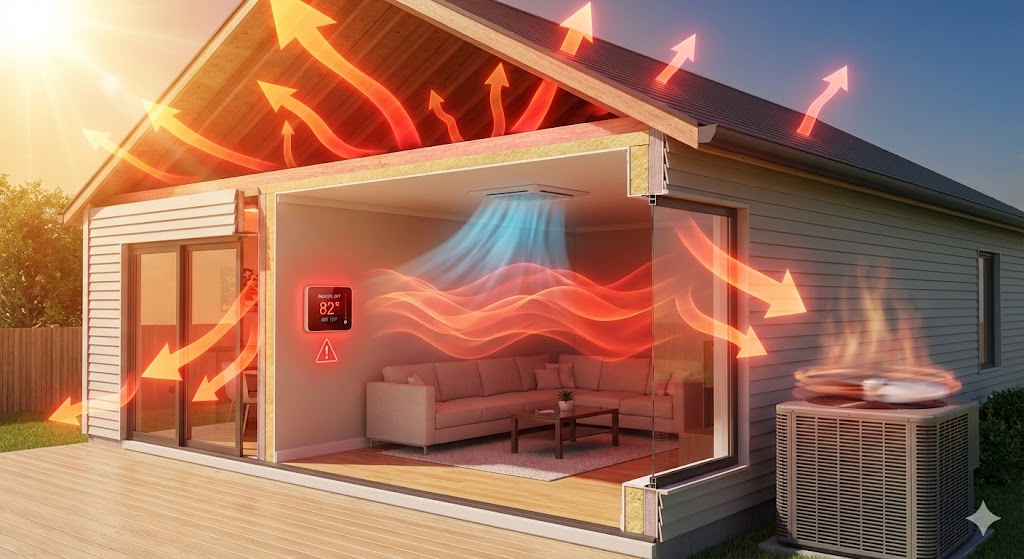
The Physics of Heat Gain: Why Your AC Never Stops Running
In August, the temperature inside a Baytown attic can exceed 140°F.
Physics dictates that heat always moves to cold. That massive heat load is constantly pushing down into your 75°F living space. Your ceiling isn’t a barrier—it’s a heat highway.
If your insulation is compressed, missing, or outdated (R-19 or lower), your air conditioner is fighting a losing battle. It runs continuously just to counteract the heat bleeding through your ceiling. This drives up your electric bill and shortens the life of your equipment.
The Solution:
We don’t just “add fluff.” We engineer a Thermal Barrier that slows heat transfer, allowing your AC to cycle off and rest. A resting AC is a healthy AC.
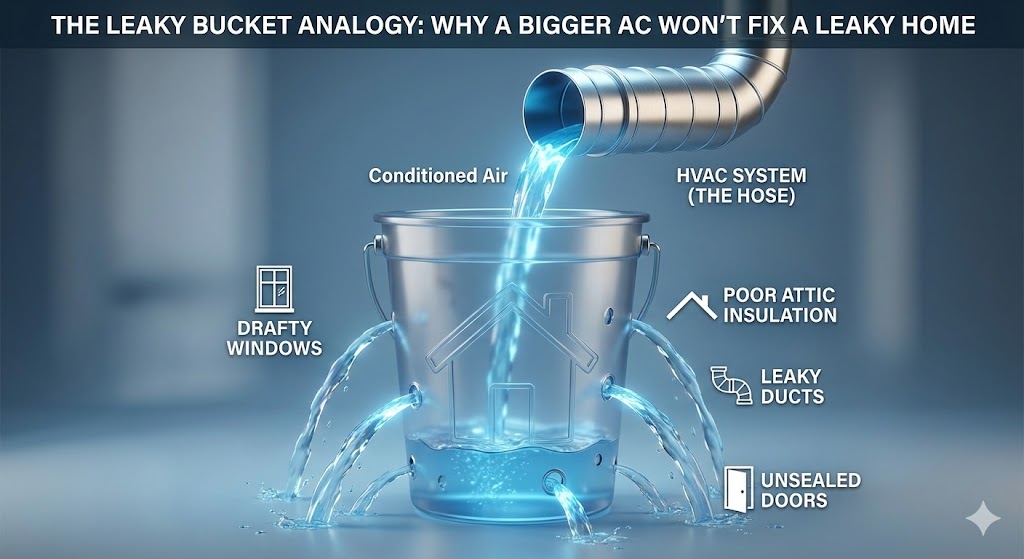
The “Leaky Bucket” Analogy
Imagine trying to fill a bucket with water while it has holes in the bottom.
You have two options: Turn the hose on higher (buy a bigger AC), or plug the holes (fix the insulation). Most contractors push the bigger AC. We plug the holes first.
At Service Line Air & Heat, we treat the house as a system. We often tell customers:
Reducing your heat load often allows you to install a smaller, less expensive, and more efficient AC unit during your next replacement. Learn more about proper sizing with our Manual J Load Calculation process.
The Service Line Envelope Protocol
Most insulation companies simply blow fresh material over old dust. That is cosmetic, not functional. We follow a construction-grade process that addresses the physics of heat transfer—not just the appearance of a fluffy attic.
Air Sealing (The Missing Step)
Before we insulate, we seal. This is the step competitors skip because it takes time and expertise.
We identify and foam-seal top plates, wire penetrations, can light fixtures, and plumbing stacks. These gaps allow conditioned air to escape and hot attic air to infiltrate.
The Stack Effect: Hot air rises and escapes through attic penetrations, creating a vacuum that sucks humid outside air into your home through lower wall cavities and door gaps. This is why some homes feel “drafty” even with the AC running—and why humidity is impossible to control.
Why It Matters: Air sealing alone can reduce cooling costs by 10-15%. Combined with insulation, the effect compounds. Most “insulation upgrades” without air sealing deliver only 50% of the promised savings.
Soffit Baffle Installation
Insulation must not block airflow. Your attic needs ventilation to exhaust heat and moisture. If insulation blocks the soffit vents at the eaves, heat builds up with nowhere to go.
We install rigid baffles at every rafter bay to ensure your soffit vents remain clear. This allows fresh air to wash the underside of the roof deck, reducing attic temperatures by 20-30°F compared to a blocked attic.
Why It Matters: A 140°F attic creates a 65°F temperature differential against your 75°F ceiling. A properly ventilated 110°F attic cuts that differential nearly in half.
Blown-In Fiberglass (R-38 to R-49)
We install premium blown-in fiberglass to achieve current Department of Energy standards (R-38 or higher for Climate Zone 2). This creates a uniform blanket that fills gaps and conforms to irregular framing.
Why Fiberglass Over Cellulose?
The Attic Tent
Your pull-down attic stairs are a giant hole in your thermal envelope. That thin plywood panel does almost nothing to stop 140°F air from pouring into your hallway.
We install an insulated “Attic Tent”—a zippered cover that fits over the stair opening. It seals the gap and adds R-value, preventing direct heat transfer into your conditioned space.
Why It Matters: The attic stair opening can leak more conditioned air than all your windows combined. A $200 Attic Tent pays for itself in one summer.

Radiant Barrier: The Heat Deflector
Insulation slows conductive heat (touch). But it doesn’t stop radiant heat.
Think about sitting in a car on a sunny day. The air might be 90°F, but the steering wheel and dashboard are 130°F. That’s radiant heat—infrared energy from the sun that heats surfaces directly. Your roof absorbs this energy and radiates it down into your attic, heating everything it touches—including your ductwork.
Our Solution:
For maximum efficiency, we install spray-on or foil radiant barriers to the underside of your roof rafters. This reflective surface bounces up to 97% of radiant solar heat before it enters the attic space, drastically reducing the load on your ductwork and living space below.
Financial Benefit:
Radiant barriers can reduce attic temperatures by an additional 20-30°F beyond ventilation alone. Combined with proper insulation, some homeowners see 25-30% reductions in cooling costs.
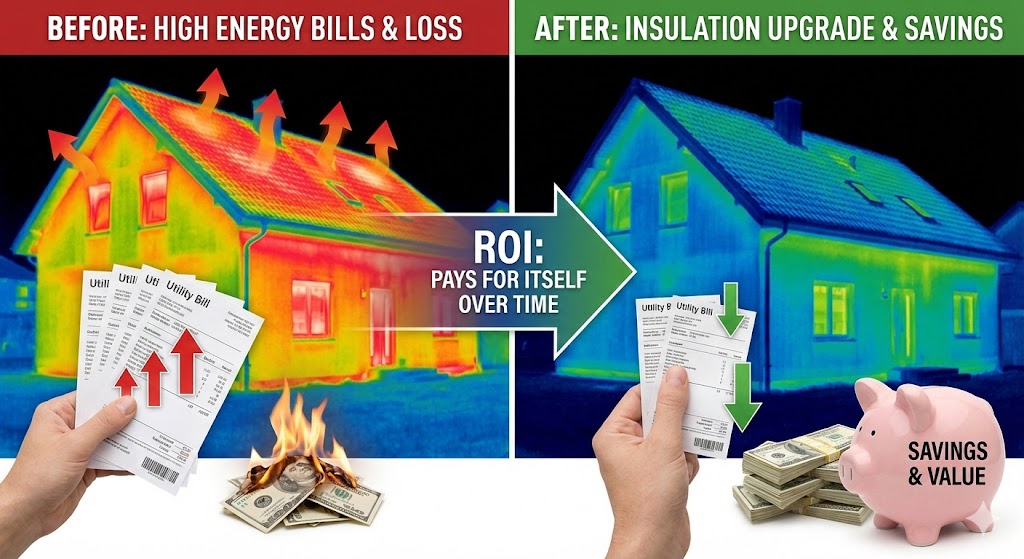
The ROI of Insulation
This isn’t a cosmetic upgrade. It’s infrastructure.
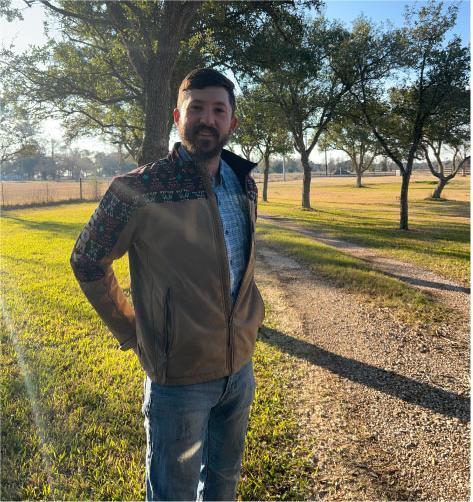
Meet Your HVAC Engineer
Michael Jarrell — Owner & Lead Engineer
Michael is a 2nd generation HVAC professional who started working alongside his father at age 12 in Southwest Louisiana. After graduating from Sowela Technical Community College, he earned his Industrial Electrician Certificate—a credential most HVAC technicians don't pursue—which allows Service Line to diagnose complex commercial systems, server room cooling failures, and electrical issues that other contractors have to refer out.
Michael moved to Baytown in 2015 and founded Service Line Air & Heat in 2022 with one mission: bring construction-grade precision to residential and commercial HVAC. When you call Service Line, you're not getting a parts-swapper—you're getting an engineer who measures before he recommends.
Michael moved to Baytown in 2015 and founded Service Line Air & Heat in 2022 with one mission: bring construction-grade precision to residential and commercial HVAC. When you call Service Line, you're not getting a parts-swapper—you're getting an engineer who measures before he recommends.
Industrial Electrician CertificateA2L Refrigerant Certified EPA 608 Universal Texas State HVAC License
Read Michael's Full StoryAsked Questions
What R-Value do I need in Baytown, Texas?
For the Gulf Coast climate (Zone 2), the Department of Energy recommends between R-30 and R-49 for uninsulated attics. Service Line recommends R-38 as the baseline for maximum ROI and comfort. Going higher provides diminishing returns unless you have significant west-facing roof exposure or other extreme heat gain factors.
Does adding insulation lower my electric bill?
Yes. According to Energy Star, sealing air leaks and adding insulation can save up to 15-25% on cooling costs. By reducing the heat load, your AC runs less often, saving electricity and extending the life of the unit. Most Baytown homeowners see payback within 2-4 years.
What is an Attic Tent?
An Attic Tent is an insulated cover that fits over your pull-down attic stairs. It stops heat transfer and air leakage through the stair opening, which is otherwise a significant gap in your home’s thermal envelope. Installation takes about 30 minutes and provides immediate comfort improvement in the hallway below.
Stop Fighting Physics. Fix Your Attic.
You cannot out-cool a broken thermal envelope. Let us engineer the solution.