
“Why is my house still humid when the AC runs constantly?”
Our Story
We Don't Fix ACs. We Solve Building Envelope Puzzles.
Most HVAC contractors look at the metal box outside your house. We look at everything else first—the insulation, the air leaks, the humidity pathways, and the thermal load. Because treating every building with a cookie-cutter answer has proven to be the wrong way to approach air conditioning.
The Problem Nobody Talks About
Here's what Michael Jarrell saw after two decades in this industry: a fundamental disconnect between HVAC contractors and building contractors.
Builders build houses. HVAC guys install equipment. But nobody stops to ask: How does this structure actually work as a system?
Builders build houses. HVAC guys install equipment. But nobody stops to ask: How does this structure actually work as a system?
The result? Homeowners left asking questions nobody can answer:
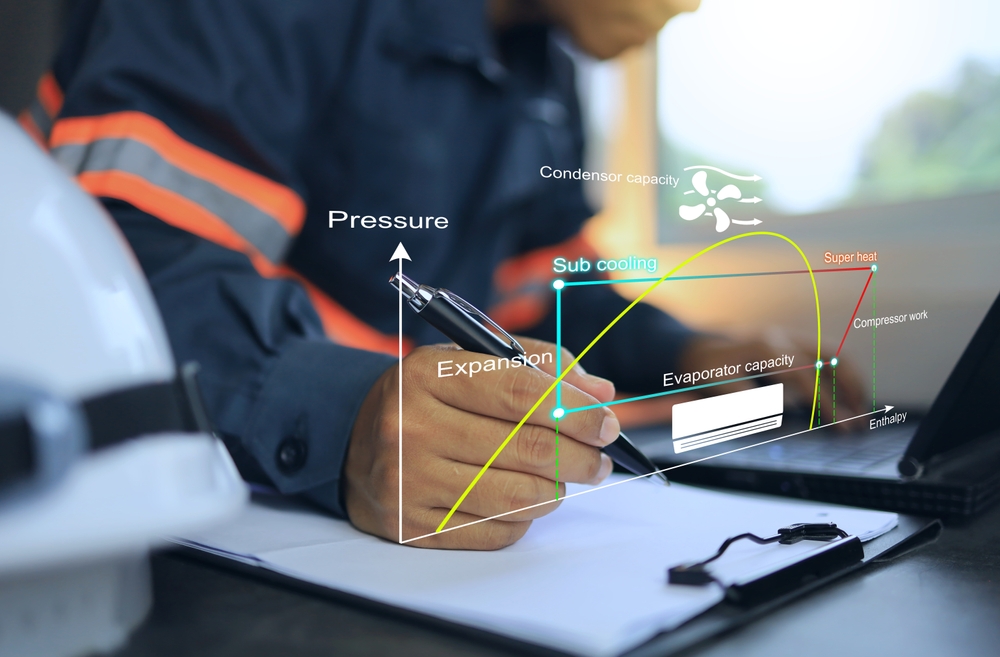
Service Line Air & Heat was founded in 2022 to bridge that gap. We don't just install equipment—we analyze the building envelope, perform load calculations on every structure, and use blower door tests to find the air leaks that other contractors never look for.
Our Philosophy
We nerd out on the details. Because the details are where comfort lives—and where most contractors cut corners.
Second Generation. First in Building Science.
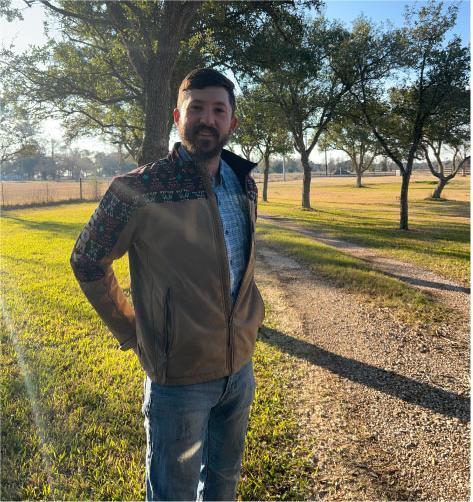
Michael didn’t choose HVAC—he was born into it. Starting at age 12 in Southwest Louisiana, he worked alongside his father learning the trade the old-school way: by doing. “I have been in this industry since I was old enough to work,” he says. “And I’ve spent every year since trying to understand not just how things work, but why they fail.”
Immediately after high school, Michael enrolled at Sowela Technical Community College—not because he needed a piece of paper, but because he wanted the science behind what his hands already knew. That pursuit of understanding led him down a path most HVAC technicians never take.
The Credential That Changes Everything
Here’s what separates Service Line from every other HVAC company in Baytown: Michael holds an Industrial Electrician Certificate.
Why does that matter? Because HVAC systems don’t just move air—they move electrons. When you’re troubleshooting a commercial rooftop unit, diagnosing a server room cooling failure, or figuring out why a 30-ton system keeps tripping breakers, you need someone who understands power distribution, not just refrigerant.
Credentials & Certifications
The Road to Baytown
After working at his father’s company in Louisiana, Michael joined Ainsworth & Co., where he rose from field technician to leadership. But leadership meant less time solving problems and more time managing paperwork. He missed the puzzles.
In 2015, he moved to Baytown. In 2022, he founded Service Line Air & Heat with a simple mission: bring construction-grade engineering to residential and commercial HVAC. No more cookie-cutter solutions. No more “same tonnage” guesswork. Just precise analysis of every building’s unique thermal challenges.
Why This Matters to You
Most HVAC techs are trained to swap compressors and charge refrigerant. Michael is trained to read electrical schematics, diagnose complex control systems, and understand how buildings consume power. That's why we can handle server rooms, industrial facilities, and commercial systems that other contractors won't touch.
Built on Diagnostic Excellence
Michael didn't build a team of parts-swappers. He built a team of problem-solvers who share his obsession with finding root causes.
Tristen Bradford
Lead Diagnostic Technician
Tristen shares Michael’s “diagnostic brain”—that relentless need to understand why something failed, not just that it failed. When your system has been “fixed” three times by three different contractors and it’s still not working, Tristen is the one who finds what everyone else missed.
He doesn’t just swap capacitors—he measures amp draw to understand why the capacitor failed. He doesn’t just add refrigerant—he pressure tests to find where it leaked. That’s the difference between a repair that lasts three months and one that lasts ten years.
Arturo Hernandez
Installation Operations
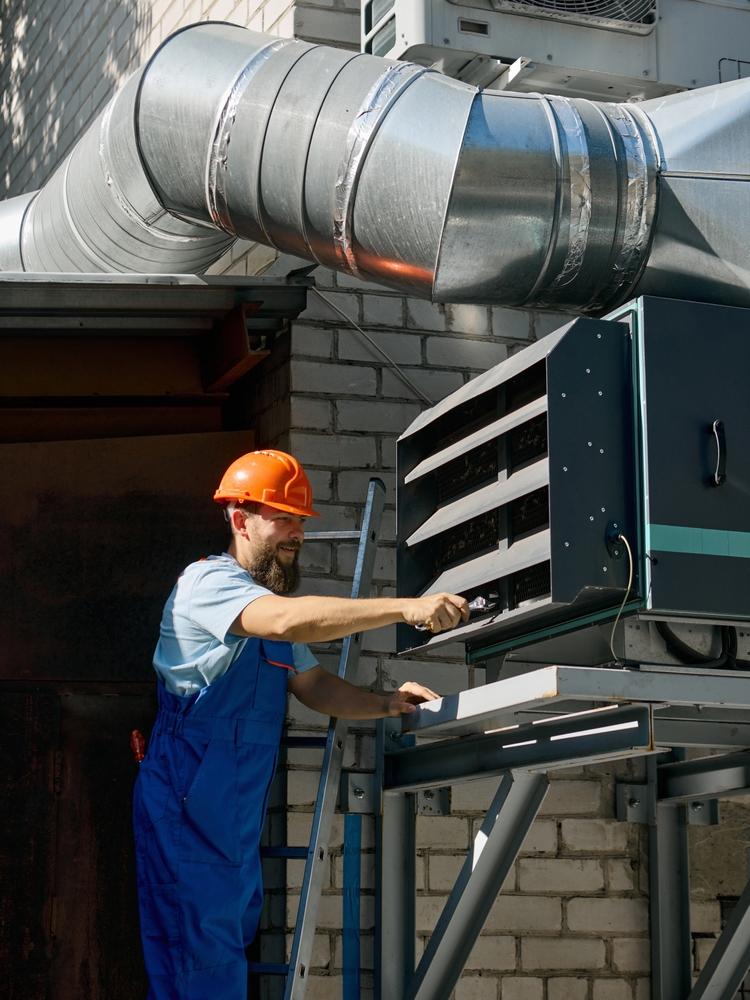
Arturo is the reason our engineering vision becomes reality. Michael can calculate the perfect load and design the optimal system, but none of that matters if the installation isn’t executed with precision.
Arturo’s craftsmanship ensures the dependability and longevity of every system we install. His attention to detail—from ductwork sealing to refrigerant line routing to equipment leveling—is what transforms a good design into a system that performs for decades.
Our Standard
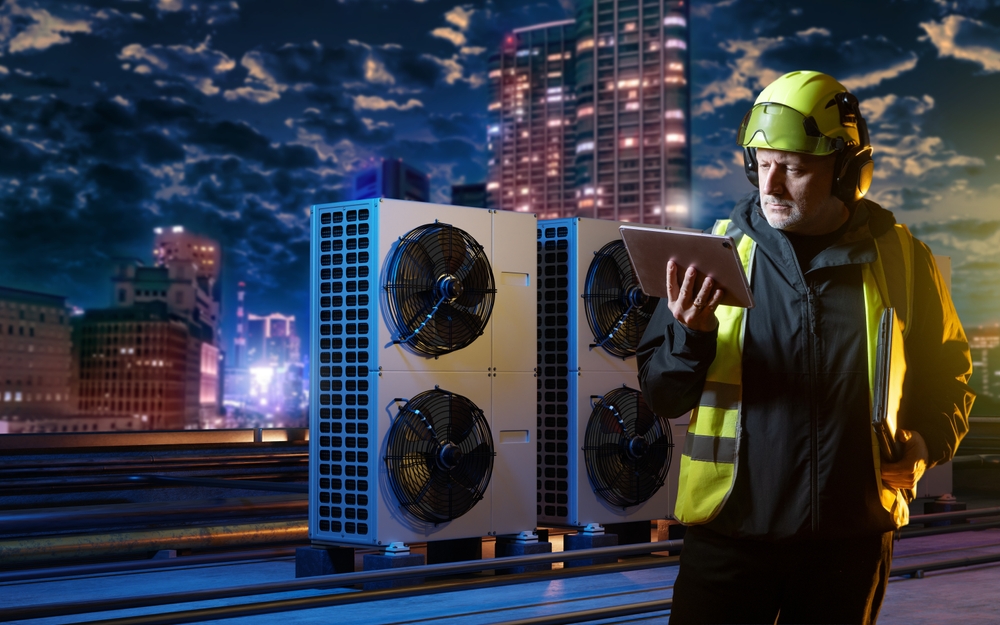
We don't hire technicians who want to get in and out fast. We hire technicians who want to get it right the first time—because our reputation depends on systems that actually perform.
Rooted in Baytown. Serving the Texas Gulf Coast.
Our bullseye is Baytown and the 30-mile radius around it. Why? Because we understand the unique challenges this region presents—and we're close enough to respond when you need us.
Primary Service Communities
Why Local Matters
HVAC isn't generic. The salt air in Baytown corrodes equipment differently than systems 50 miles inland. The humidity from the Ship Channel creates latent loads that most contractors don't account for. The sulfur exposure from petrochemical facilities causes formicary corrosion that destroys copper tubing in ways you won't see in Dallas or Austin. We know these challenges because we live with them every day.
Ready to Work with Engineers, Not Just Technicians?
If you're tired of contractors who guess at solutions and charge you for parts that don't fix the problem, let's talk. We'll analyze your building, not just your equipment.
Frequently Asked Questions
What makes Service Line different from other HVAC companies?
We approach HVAC as construction professionals and building scientists, not just service technicians. Our founder holds an Industrial Electrician Certificate in addition to standard HVAC credentials, which means we can diagnose complex commercial systems, server rooms, and electrical issues that most contractors can’t. We perform Manual J load calculations on every project and analyze the building envelope—insulation, air leaks, and humidity pathways—not just the equipment.
What is a building envelope and why does it matter for HVAC?
The building envelope is everything that separates your conditioned indoor space from the outdoors—walls, roof, windows, doors, and insulation. If your envelope has air leaks or insufficient insulation, even a perfectly sized AC system will struggle. We use blower door tests to measure air leakage and thermal imaging to find insulation gaps before recommending equipment. This is why some homes stay comfortable at 72°F while others can’t maintain 78°F with the same tonnage.
Why does an Industrial Electrician certification matter for HVAC work?
Modern HVAC systems are as much electrical as they are mechanical. When troubleshooting a commercial rooftop unit, server room cooling failure, or a system that keeps tripping breakers, you need someone who understands power distribution, control circuits, and electrical schematics—not just refrigerant pressures. This credential allows us to diagnose and solve problems that other HVAC contractors have to refer to electricians.
What areas does Service Line Air & Heat serve?
Our primary service area is Baytown and the 30-mile radius around it, including Mont Belvieu, Dayton, Liberty, Crosby, La Porte, and Pasadena. We focus on this region because we understand the unique challenges of the Texas Gulf Coast—coastal corrosion, high humidity, and sulfur exposure from the petrochemical corridor. This local expertise means we specify equipment and solutions designed for your environment, not generic inland conditions.
What does A2L Certified mean?
A2L refers to a new class of refrigerants with lower global warming potential, which are replacing older R-410A refrigerants under federal regulations. Being A2L certified means we’re trained and authorized to work with these new refrigerants before they become mandatory. If you’re installing new equipment, we can ensure it’s ready for the future—not obsolete in five years.